If you have been on Lundy in the spring, you would spot a plethora of daffodils. The first to spring up seem to be those at the bottom of the Steps of Doom / LFS steps.
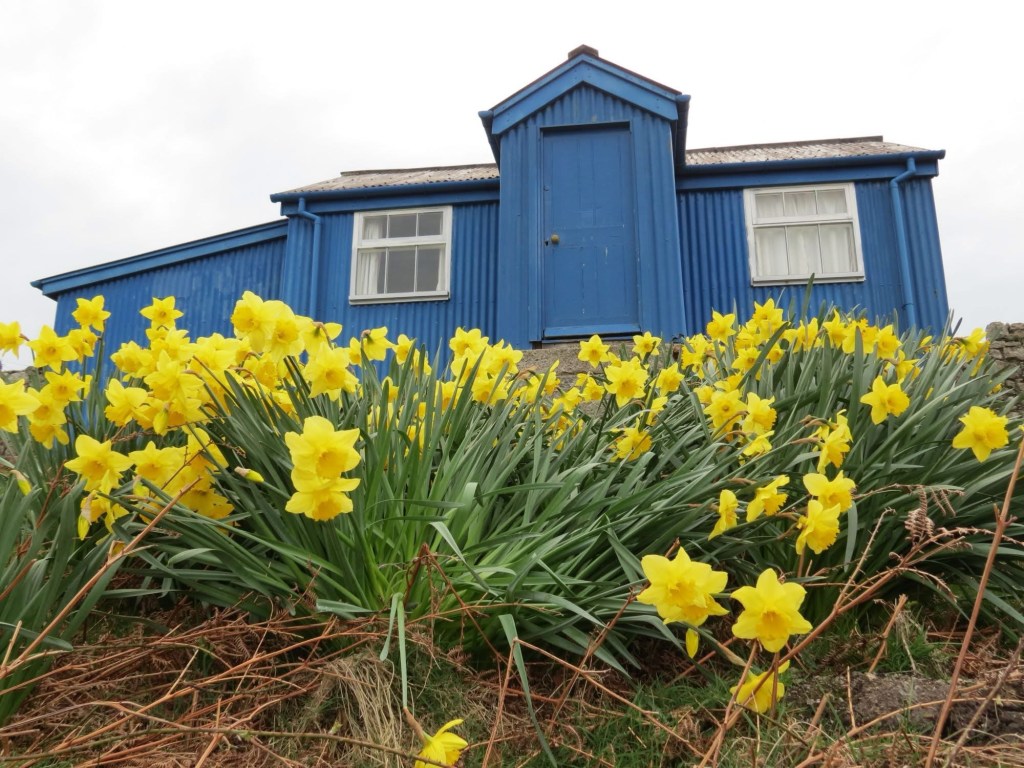
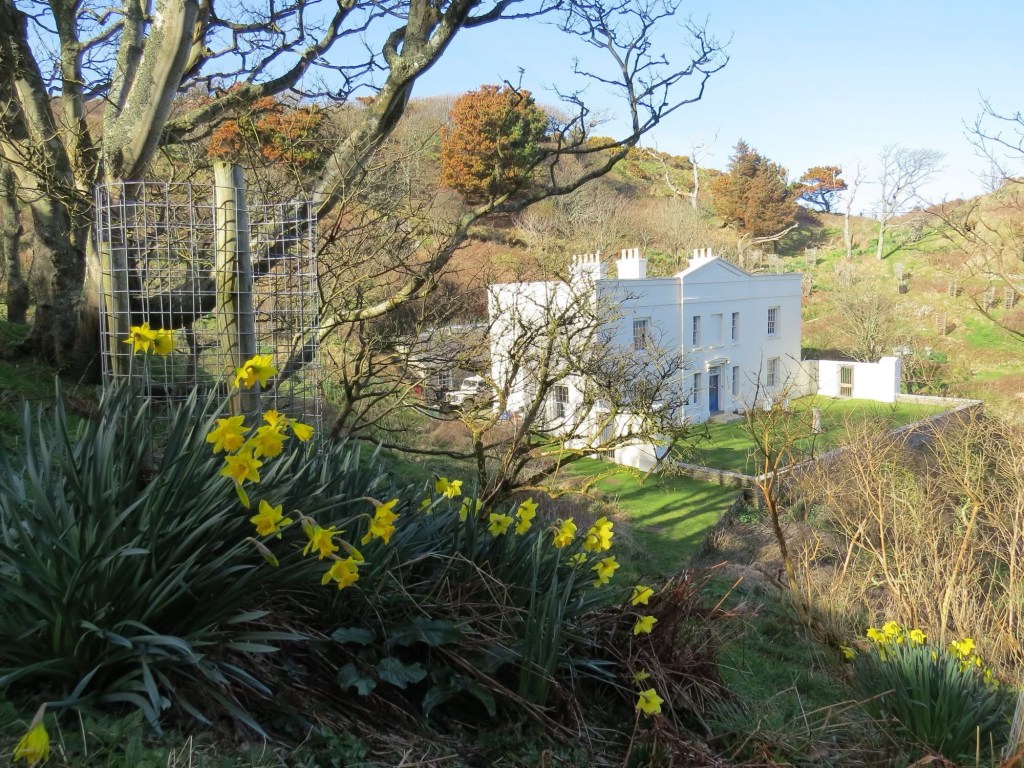
Ian, our island carpenter and Millcombe allotment holder, loves flowers and photography. He shared with me some of his photos of the daffodils around the south of the island. This got me thinking about why there are all these different varieties and when they have been planted. Like most things on Lundy, there are experts. So, I contacted Andrew Cleave to see if I can find more information.
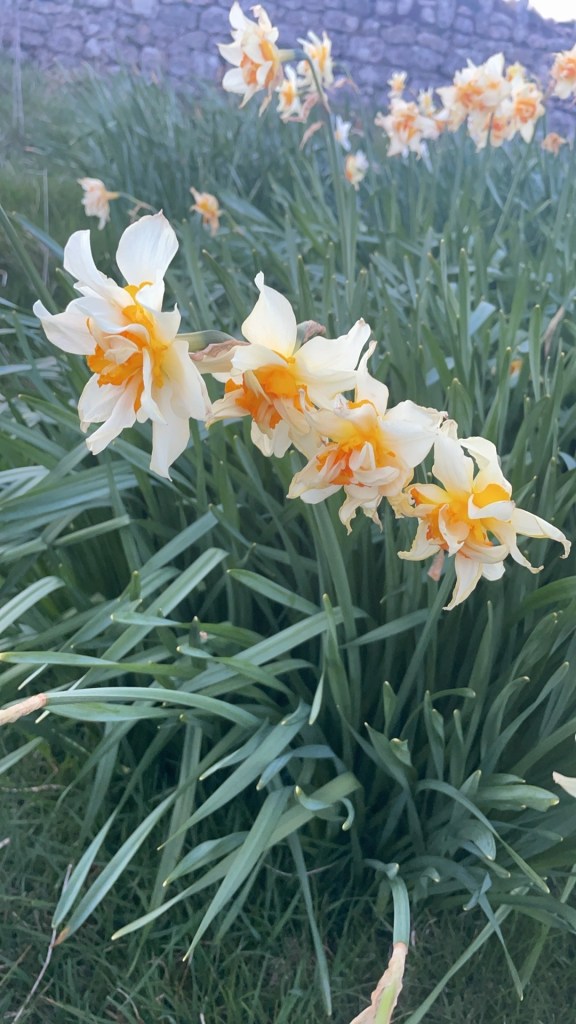
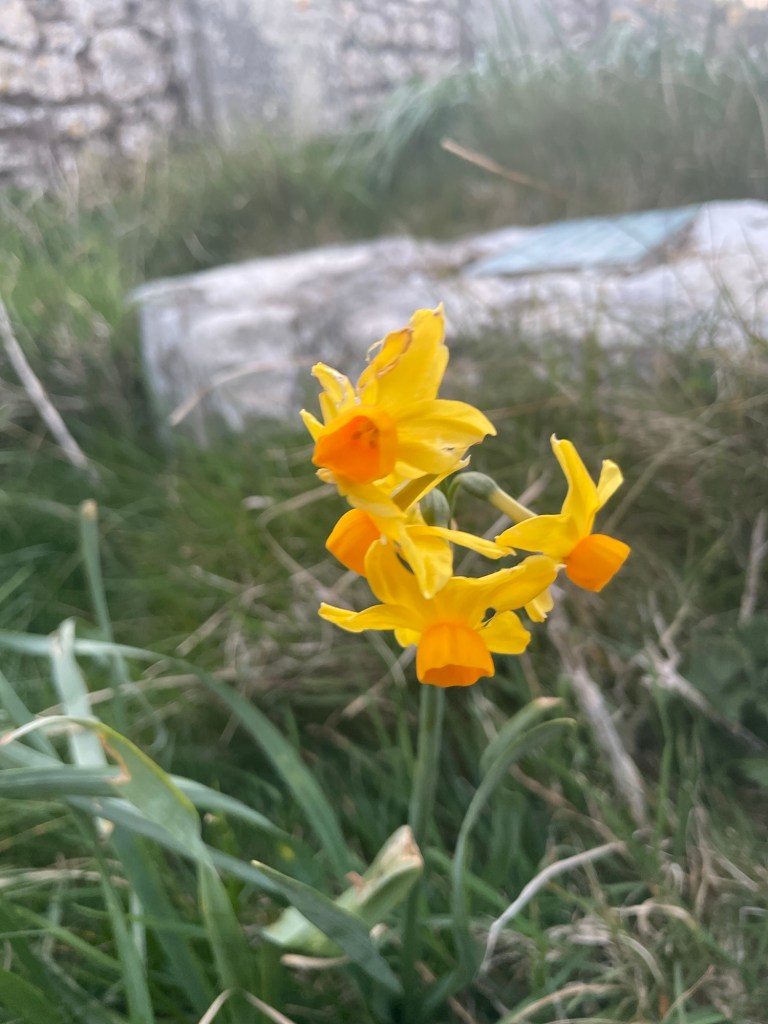
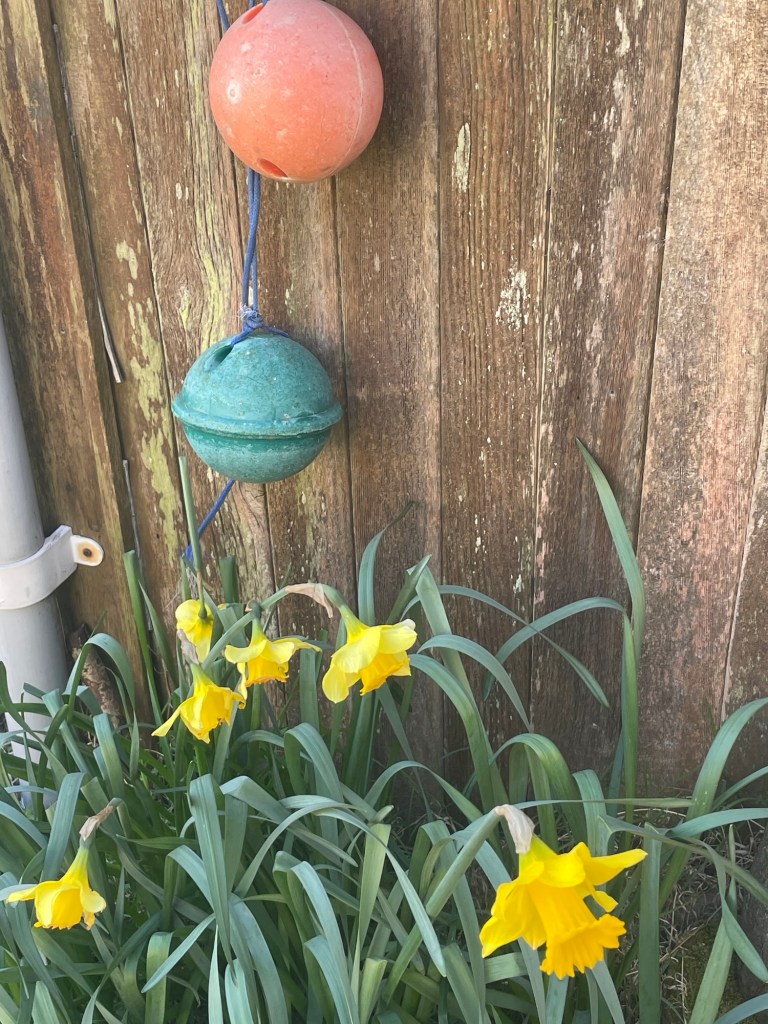
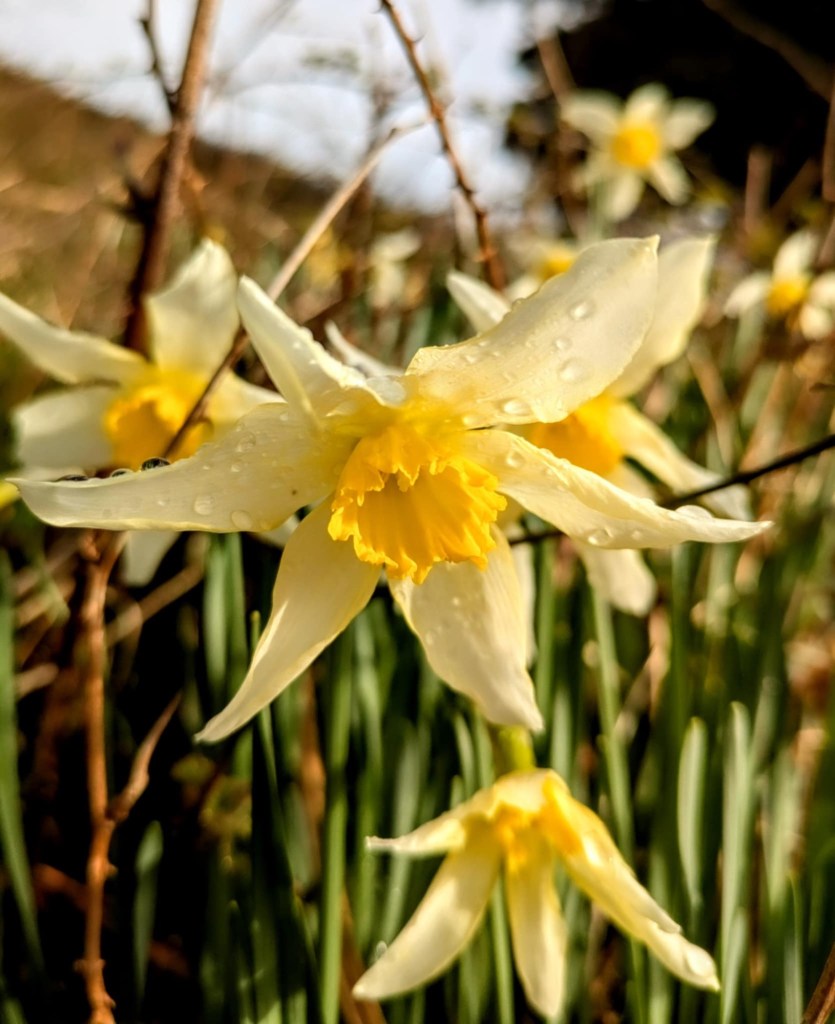


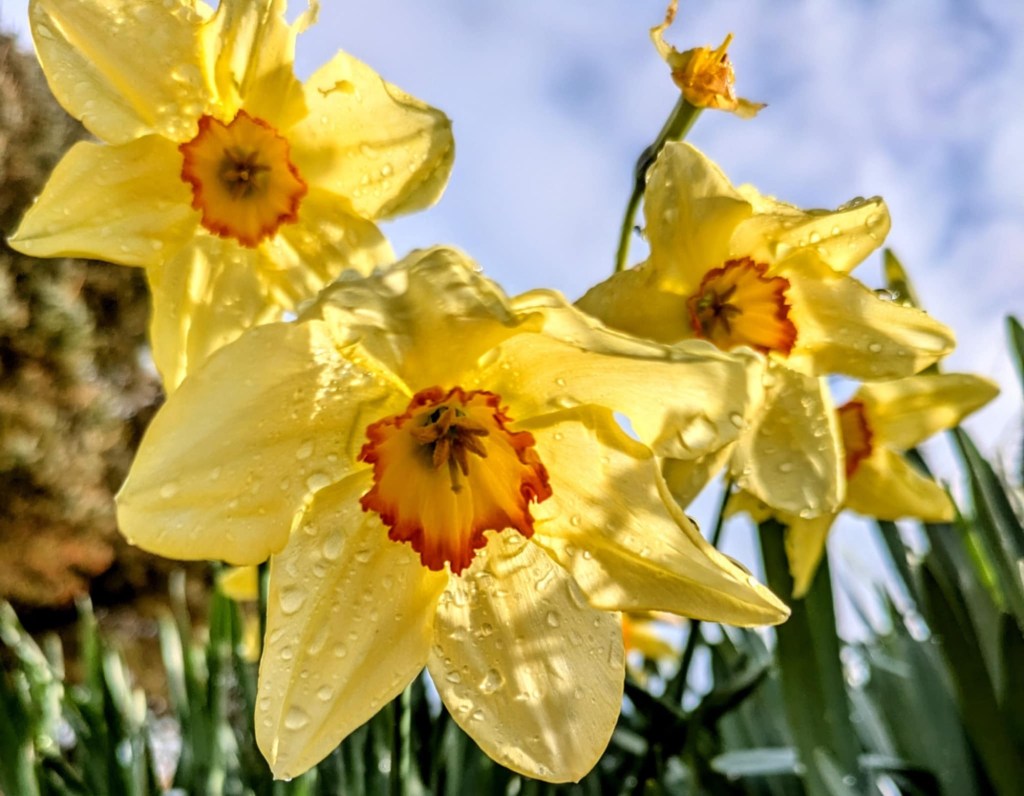

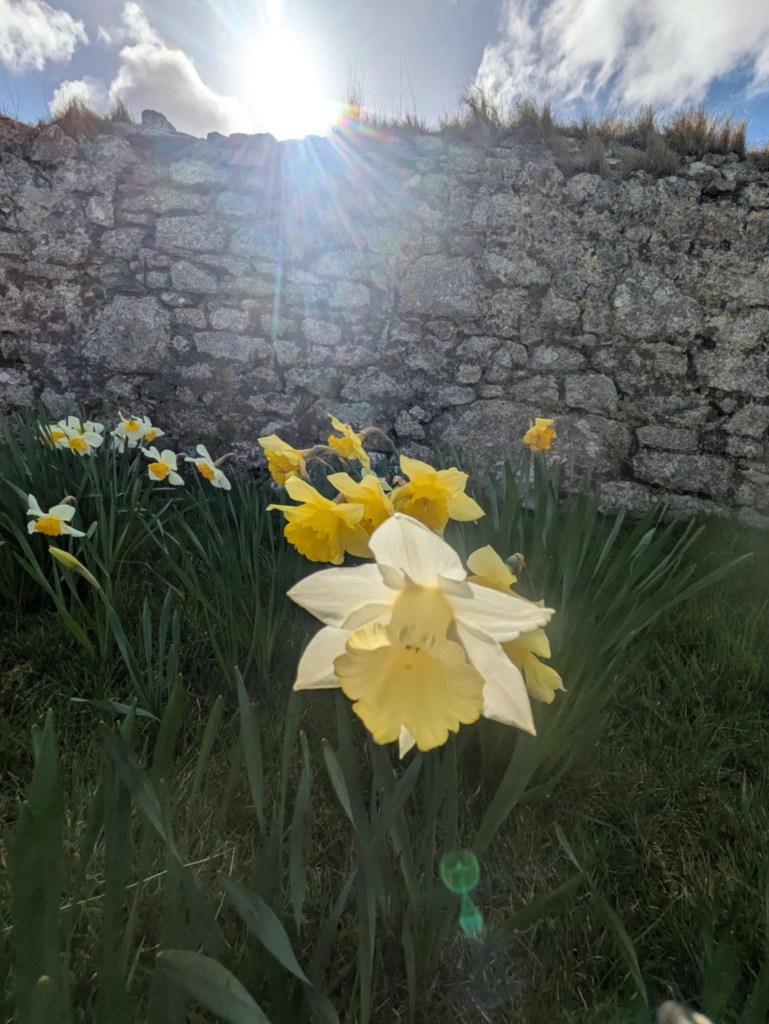

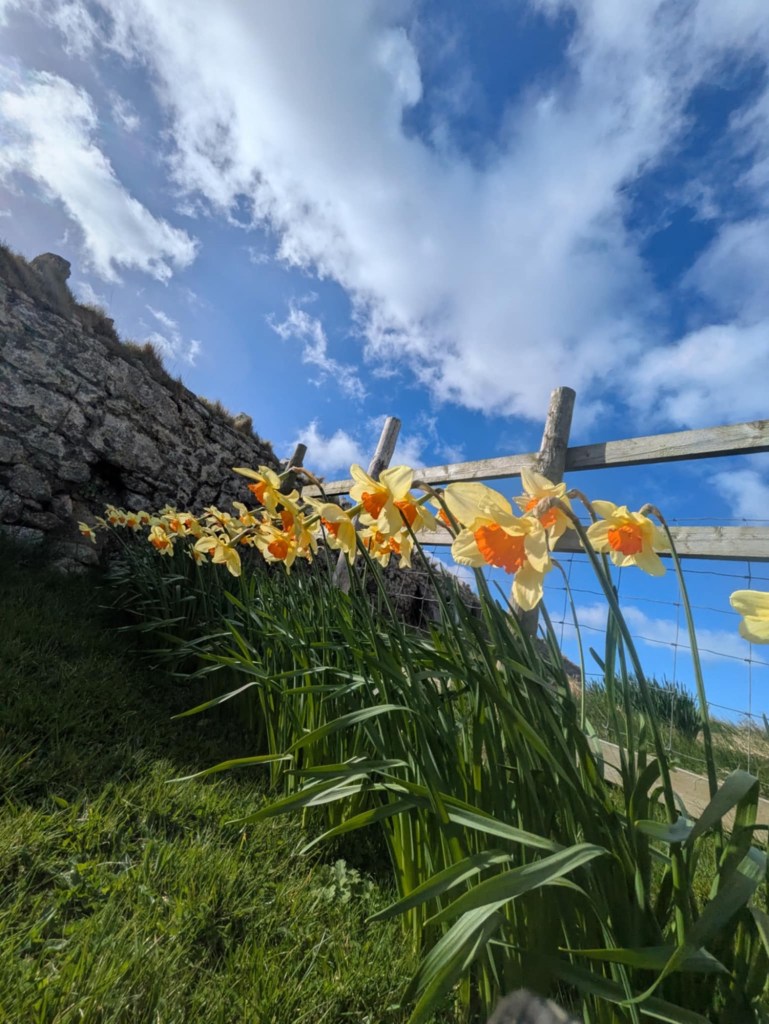
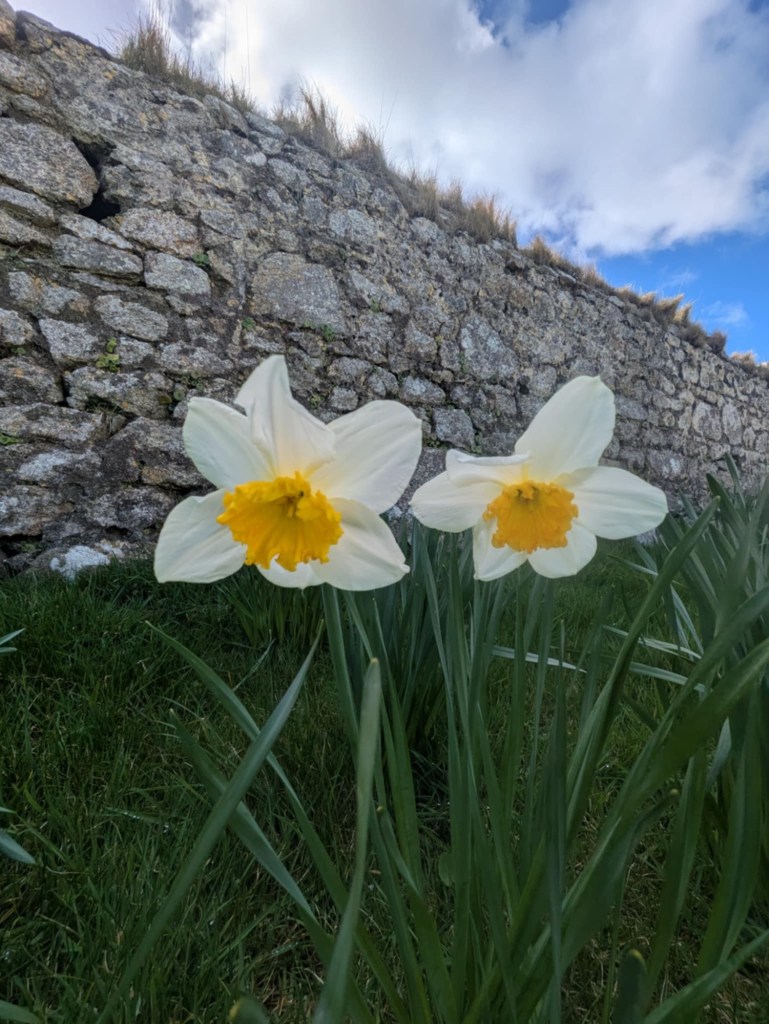
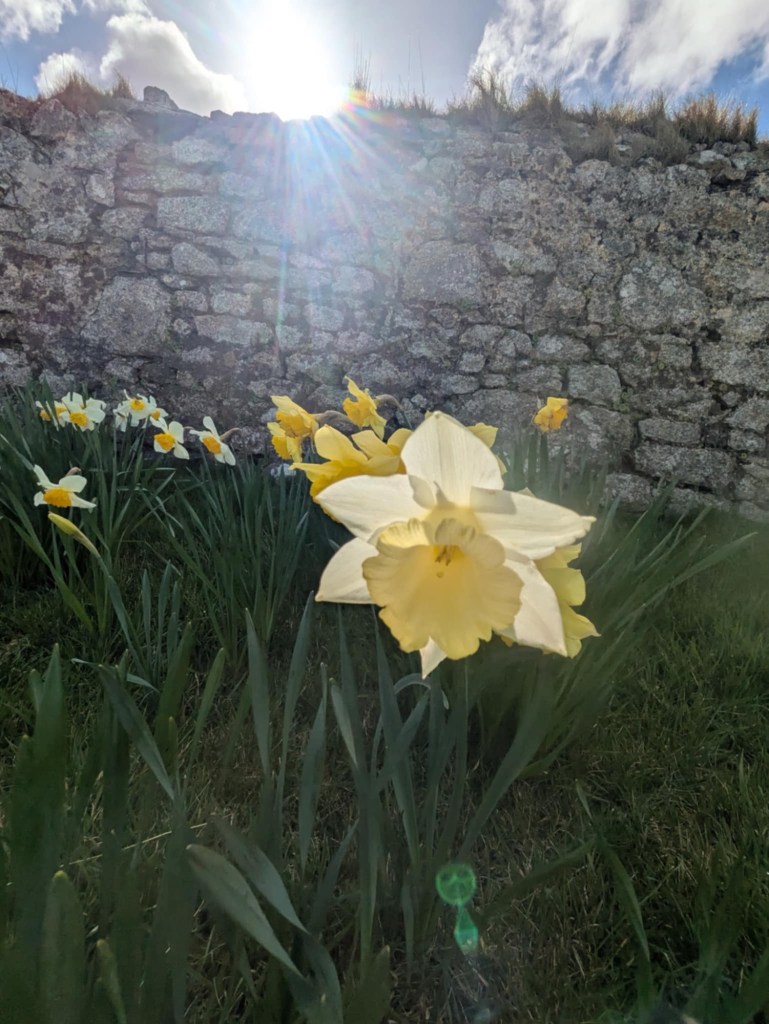
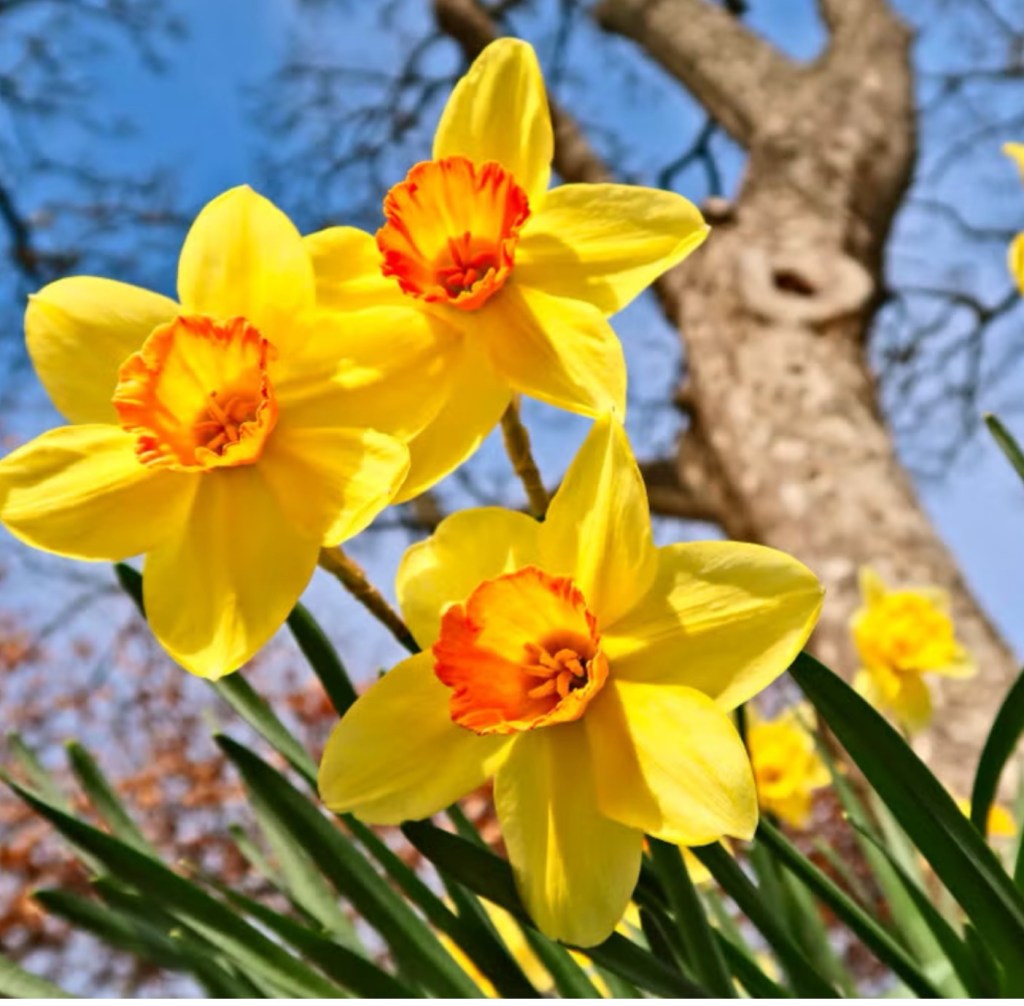


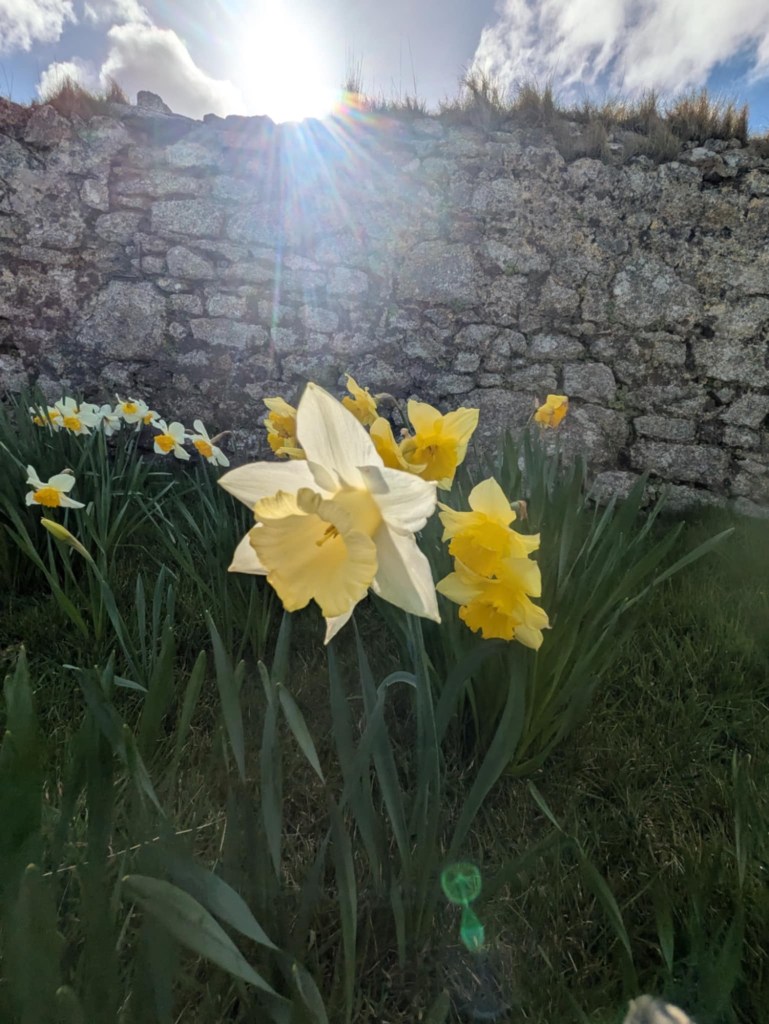
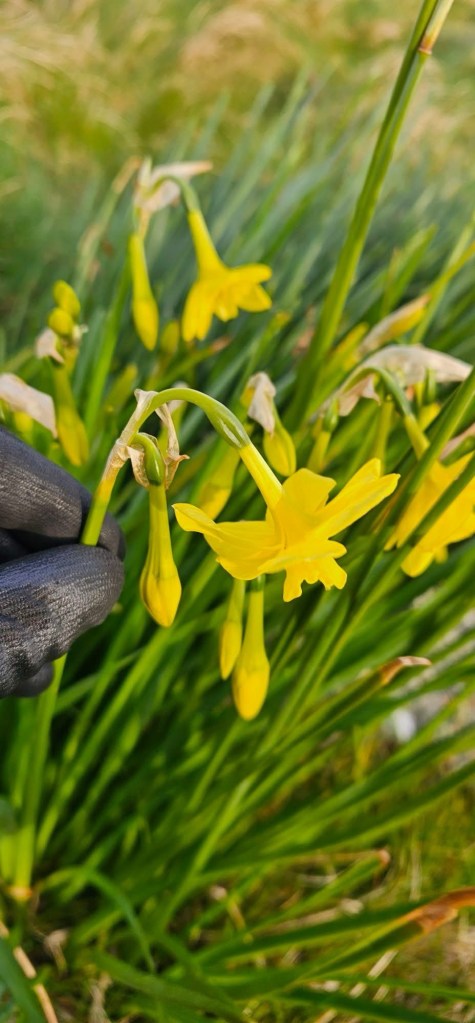
Andrew agreed that there were many varieties of daffodils on Lundy. Still, none of the daffodils are a true wild daffodil. They were all likely planted. This probably started with the Heaven family’s occupation. Later, the Harman family contributed as well. However, the most significant daffodils are the ones in front of Belle View cottages. They are known as ‘Primrose Peerless‘. ‘Primrose Peerless‘ is one of the first known cultivars dating back to the 18 century. It is thought that sailors brought bulbs back from the Mediterranean. These daffodils are most common amongst the North and South coasts of the Bristol Channel. Sometimes called the Severn sisters, they are commonly found in graveyards as well as on Lundy. it is twin flowered with a primrose coloured centre and usually grows in large patches.
With this information, I went to Belle view cottages. I wanted to get some photographs, but sadly they had all gone past their flowering time!
Edit: Lundy visitors have provided me with these pics.

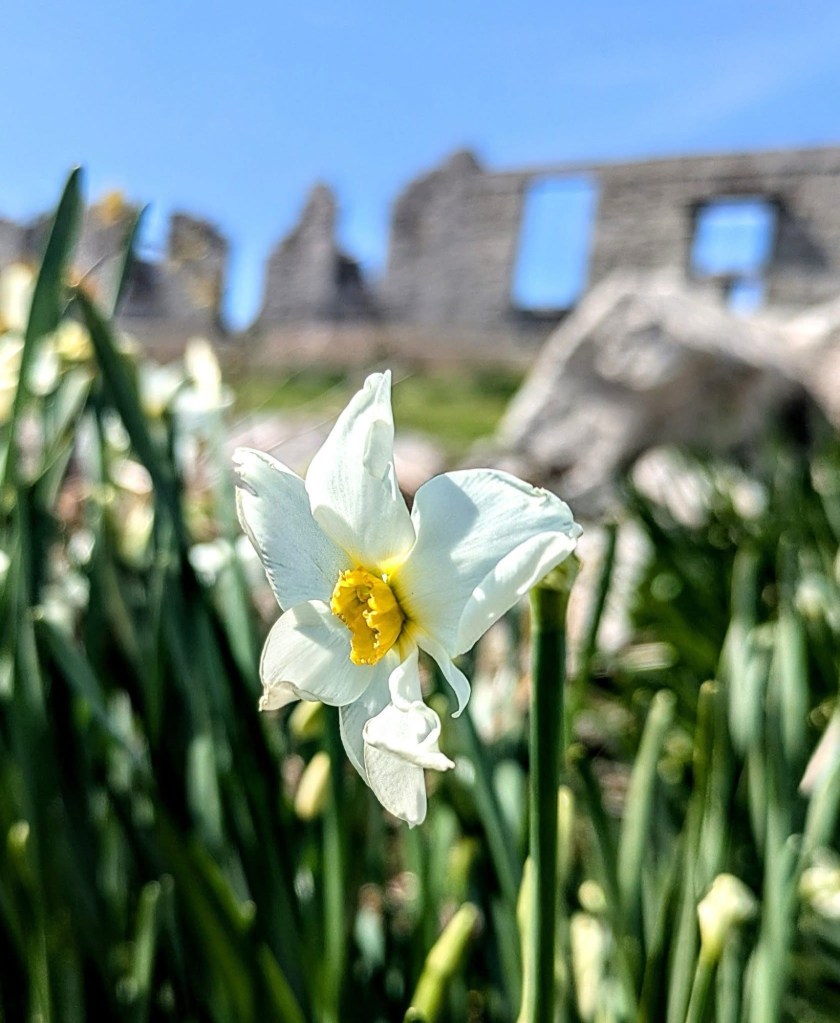

We had so many great photos from Ian and a few extra from me. I offered a challenge to Lundy staff. They were to create something in honour of the daffodil for the month of April. I’m looking ahead to seeing their responses.
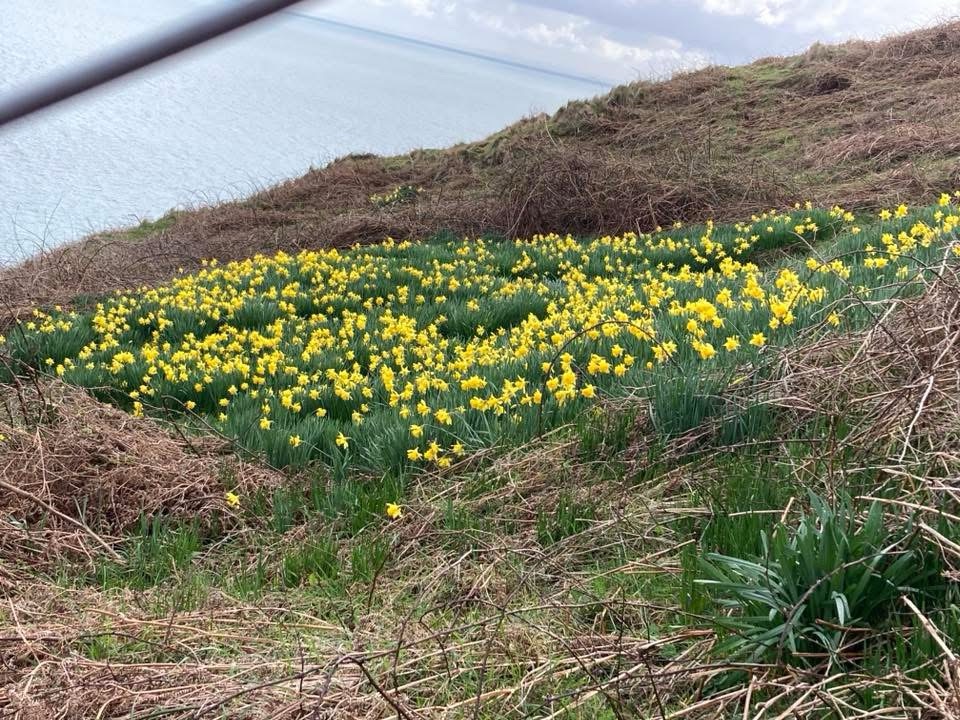
Also some daffodil scenes again provided by visitors

You must be logged in to post a comment.